PA - NP - Family Medicine
Los Banos, California
- Contract
- 8hr Days
OrganizationGVHC - Los Banos
California Family Medicine locums
ERO is based in California and primarily focuses on California locums, helping Physician Assistants compare current roles with clearer regional and licensing context.
California Market Snapshot
Current ERO inventory and California Family Medicine Physician Assistant 1099 guidance. Page content and jobs last updated Jul 27, 2026.
Current matching listings
7 current roles
CA Family Medicine 1099 range
$105-$120/hr
Where most opportunities fall
$110-$115/hr
Travel & lodging
Handled separately
Median current contract length
13 weeks
Most common current shift
8hr Days
Newest matching assignment
Jul 21, 2026
General pay guidance, not an offer for a specific job.
Actual compensation varies by client, setting, geography, urgency, schedule, scope, call, experience, and assignment structure. Ask an ERO recruiter to confirm compensation and travel terms for a specific role.
Source: ERO 2026
Live ERO Inventory
Open each role for the latest verified job details. Inventory can change as clients update or fill assignments.
Los Banos, California
Patterson, California
Ceres, California
Turlock, California
Merced, California
Merced, California
Merced, California
Adjacent specialties
These listings include Family Medicine among their tags but have a different or unconfirmed primary specialty. They are not included in the matching-role count above. Check each role's requirements before applying.
San Marcos, California
Profession-Specific Guidance
California Physician Assistant licensure, practice agreements, prescribing requirements, and facility credentialing are related but separate steps.
The California Physician Assistant Board reviews the application, supporting documents, and background-check information before licensure. The official processing page reviewed on July 27, 2026 listed a 30-day target for initial review and said complete applications are frequently issued within 30 to 45 days. Neither figure guarantees a license date.
Final timing depends on a complete application, background checks, required source documents, and resolution of any deficiency. A clinician should use the Board's current published timeframe when planning rather than treating an older observation as a promise.
Applicants should confirm the Board's current requirements for education and examination records, identity, fingerprints, and supporting explanations. The Physician Assistant National Certifying Examination and other source documents must reach the Board in the form it accepts.
An initial review can identify a missing or incomplete item. Responding quickly helps, but the applicant does not control how long an external school, certifying body, fingerprint service, or other source takes to send an acceptable record.
A California license is necessary before practice, but it is not the only assignment requirement. The PA and the practice must address applicable practice-agreement, supervision, delegation, and prescribing requirements. The healthcare organization should explain the current clinical structure and documentation it expects.
Controlled-substance or prescribing responsibilities can involve additional state and federal requirements. Ask which medications the role expects the PA to manage, what registrations are required, and whether the facility's credentialing process needs copies before the start date.
A Family Medicine PA assignment may sit in an FQHC, community clinic, rural health clinic, urgent care setting, private practice, or hospital-owned outpatient site. The same title can represent different age ranges, visit types, acuity, procedures, and expectations for independent decision-making within the applicable practice structure.
Ask what percentage of the panel is adult, pediatric, or geriatric; whether same-day visits are mixed into scheduled care; and how referrals, results, refills, and inbox work are handled. Confirm the on-site clinical resources and how the organization escalates a case that needs a higher level of care.
Ask who will be available for consultation, how the practice agreement is handled, and whether the facility has recent experience onboarding locum PAs. Clarify the role of medical assistants, nursing staff, interpreters, referral coordinators, and operational leadership.
The right level of support depends on the clinician and assignment. An experienced PA may want autonomy with reliable escalation, while a clinician entering a new setting may need a more structured ramp. Neither is inherently better; the goal is a clear match.
Confirm clinic days, shift times, administrative blocks, weekend or call obligations, and whether the PA covers more than one site. Ask for the expected visit mix and appointment length rather than relying on a single patient-volume number.
Documentation expectations affect the workday. Ask which EHR the practice uses, how training occurs, who handles prior authorizations and refills, and when charts are expected to close. If the client offers an onboarding ramp, confirm how it changes the schedule.
Before approving submission, know the client, worksite, assignment purpose, schedule, pay structure, support model, practice-agreement path, prescribing expectations, credentialing requirements, and travel terms. Identify which details are confirmed and which still require the client's answer.
ERO will not submit a profile without candidate approval. Use that control to resolve material questions before the profile moves to the client, while recognizing that some items can change during interviews or final contracting.
Some locum roles require a clinician who can step into a full schedule quickly, while others offer more structured onboarding and support. A new graduate should ask directly about minimum experience, orientation, available consultation, patient complexity, and the client's comfort with early-career clinicians.
Do not assume that every Family Medicine locum role accepts or excludes new graduates. ERO can help clarify the client's current requirement, and the PA can decide whether the support and expectations match their readiness.
Authoritative licensing sources
ERO's Primary Market
ERO is based in California, and California is its primary geographic focus. That focus matters because a state this large cannot be reduced to one rate, one commute pattern, or one credentialing experience. The team helps clinicians compare regional realities, licensing steps, facility expectations, and assignment details before deciding whether a role deserves a submission.
Northern California, the Bay Area, the Central Valley, Southern California, rural communities, and coastal or inland markets create different practical choices. ERO's focus helps frame the right questions about geography, travel, support, schedules, and client expectations. It does not mean ERO has inventory in every community, and it does not replace verification of a role's current terms.
ERO works directly with California healthcare organizations and aims to give clinicians clearer context before their profile is presented. California focus is useful when it leads to a better-informed decision: where the work is, what the facility needs, what must be licensed or credentialed, and which details remain to be confirmed.
Why ERO
California focus is valuable when it gives clinicians better context and a more informed decision.
A useful recruiter conversation should make the assignment more concrete. ERO shares the verified details it has, identifies unanswered questions, and helps the clinician compare schedule, setting, location, licensing, credentialing, compensation, and travel terms. When a detail depends on the client or final agreement, it should be described that way.
ERO does not submit a clinician's profile to a client without the clinician's approval. Before approving submission, confirm the organization, location, role, schedule, rate structure, and any known assignment requirements. Candidate control protects trust and prevents a profile from moving forward on assumptions the clinician has not accepted.
Because ERO is based in California and primarily focused on the state, its recruiters can help clinicians ask region-specific questions about licensing, travel, facility type, and assignment fit. Direct client relationships can improve context, but every role still requires current confirmation from the healthcare organization.
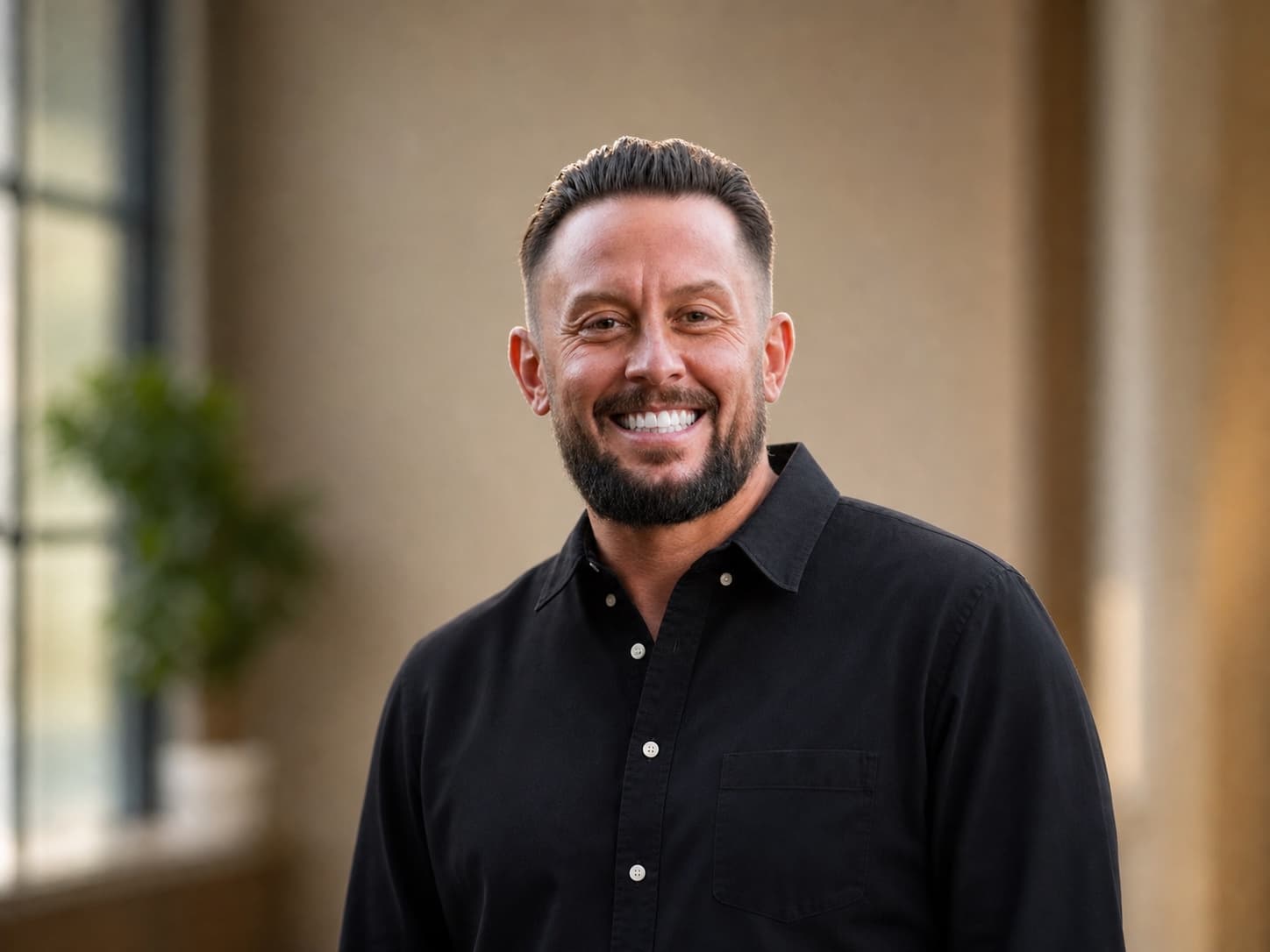
Expert reviewer
Co-Founder
Justin Allison brings more than 20 years of staffing experience to ERO's clinician-first California locums guidance.
Justin reviews this guide for clinician-first language and California locums context. He is not presented as every visitor's assigned recruiter. The ERO recruiting team handles role-specific conversations.
Learn more about EROFrequently Asked Questions
These answers separate broad California guidance from the details a client and recruiter must confirm for a specific assignment.
ERO currently lists 7 California Family Medicine Physician Assistant roles on this page. Openings can change, so review the current job details before applying.
ERO 2026 guidance places California Family Medicine Physician Assistant 1099 locum assignments at $105-$120 per hour, with most opportunities likely around $110-$115 per hour. Travel and lodging are handled separately. This is guidance, not a current job offer or guarantee. Actual compensation varies by client, setting, geography, urgency, schedule, scope, call, experience, and assignment structure. Confirm compensation and travel terms for a specific role with an ERO recruiter.
A Physician Assistant needs an active California PA license before practicing in the state. The assignment may also require a completed practice agreement, applicable prescribing or controlled-substance credentials, and facility credentialing. Those items are related but not interchangeable, so confirm which can proceed while the license application is pending and which require an issued license.
The California PA Board page reviewed July 27, 2026 listed a 30-day target for initial review and said complete applications are frequently issued within 30 to 45 days. Initial review is not final issuance, and neither figure is guaranteed. Background checks, source documents, deficiencies, and applicant response time can extend the process. Check the Board's current timeframe before planning a start date.
The California Physician Assistant Board decides whether to issue the professional license. A healthcare organization separately verifies identity, education, certification, work history, references, sanctions, health records, and other assignment requirements before allowing the clinician to work. Payer enrollment or privileges can add more steps. An issued license does not mean facility credentialing is complete.
There is no universal credentialing timeline. Timing depends on the facility, payer enrollment, background checks, references, health records, source verification, practice-agreement documentation, and how quickly all parties resolve missing items. Ask for the client's current checklist, target start date, and dependencies. Treat any estimate as assignment-specific rather than an ERO-wide promise.
Family Medicine PAs can support community health centers, FQHCs, rural health clinics, urgent care settings, private practices, and hospital-owned outpatient clinics. Current ERO inventory may not include every setting or region. Review the specific job for patient ages, visit mix, procedures, team structure, and whether the assignment covers one or several sites.
Schedules and volume vary by client. Ask about clinic days, shift length, administrative time, evenings, weekends, call, multi-site travel, visit length, age mix, acuity, same-day visits, and onboarding ramp. A patients-per-day number is only useful when you also understand support, documentation, inbox work, and the types of visits included.
ERO handles travel and lodging separately from the hourly rate. Exact booking, reimbursement, limits, receipts, taxes, and multi-site travel terms vary by assignment. Confirm the written arrangements with an ERO recruiter before making reservations.
Malpractice arrangements depend on the specific engagement and agreement. Ask who provides coverage, whether it is claims-made or occurrence-based, the limits, covered activities, and whether tail coverage is relevant. Do not assume a universal arrangement from the locum label; have the recruiter confirm the current written terms for the role.
An extension may be possible when the client still needs coverage and the clinician, facility, and ERO agree to the updated dates and terms. It is not guaranteed. Ask how much notice the client typically gives, whether credentialing remains current, and whether schedule, rate, travel, or cancellation terms would change.
A start depends on an active California license, completion of facility credentialing, any practice-agreement and prescribing requirements, background and health documentation, payer or privilege dependencies, and the client's readiness. Accepting an assignment is not the final start gate. Ask for a dependency-based timeline rather than a universal number.
It depends on the client and assignment. Some roles need a PA who can assume a full schedule with minimal ramp-up; others may have structured onboarding and strong on-site support. Ask about minimum experience, consultation, orientation, patient complexity, and the client's current new-graduate policy before approving submission.
Submit a general application or contact the ERO recruiting team with your California license status, preferred regions, schedule, setting, and start window. ERO should not imply that an unlisted job exists, but those details help the team discuss future or adjacent California opportunities when a relevant need is confirmed.
No. ERO does not submit a clinician's profile to a client without the clinician's approval. Before approving submission, confirm the client, location, role, schedule, compensation structure, and known requirements. Ask the recruiter to identify any material detail that still needs the client's answer.
ERO is based in California, and California is its primary geographic focus. That can provide more useful context about regional travel, licensing, facility types, and client expectations before submission. It does not guarantee inventory in every community or replace verification of each role's compensation, schedule, support, travel terms, and credentialing requirements.
Related Opportunities
Compare another approved profession page, browse the current filtered market, or learn more about ERO.
California Assignment Guide
Use the current role details, profession-specific licensing sources, and questions below to compare real assignment terms.
Family Medicine teams carry broad responsibility: preventive care, chronic-condition management, same-day access, medication follow-up, and coordination with specialists. When a clinician takes leave, a recruitment search runs long, or demand rises faster than a permanent team can absorb, a locum clinician can help preserve access while the organization works on a longer-term staffing plan. The assignment still has to fit the clinician's license, experience, preferred setting, and support needs.
California is not one uniform market. A community clinic in the Central Valley, an FQHC serving a rural Northern California community, and a hospital-owned outpatient practice in Southern California can have different patient populations, schedules, support teams, travel realities, and credentialing steps. Useful job evaluation starts with the actual facility and assignment rather than a statewide generalization.
A locum role may cover a defined leave, add seasonal capacity, support a new site, or provide continuity while a permanent search is underway. Ask why the organization needs coverage, what success looks like during the assignment, and which responsibilities are essential. Those answers reveal more about fit than the job title alone.
California Family Medicine locums may work in community health centers, Federally Qualified Health Centers, rural health clinics, urgent care settings, private practices, and hospital-owned outpatient clinics. A role described as Family Medicine can still emphasize different work: longitudinal primary care, same-day visits, adult-heavy panels, pediatric coverage, women's health, or a mixture of scheduled and walk-in care.
Ask whether the site is a single clinic or part of a regional network, whether the clinician will rotate between locations, and what clinical and administrative support is present each day. Medical assistants, nursing support, referral teams, interpreters, care coordinators, and on-site leadership can materially change the workday. ERO helps surface available assignment details, but the organization must confirm the current operating model.
Geography shapes the practical decision. Bay Area and coastal roles can involve different housing and commute constraints than inland or Central Valley assignments. Rural Northern California can require longer drives and more advance travel planning. Southern California traffic can turn a short map distance into a meaningful commute. A useful comparison includes the specific worksite, expected travel between sites, and the clinician's preferred living arrangement.
The most important schedule questions are concrete: which days are required, when the first patient is booked, when documentation is expected to be complete, whether there is an administrative block, and whether evenings, weekends, or call are part of the role. A four-day schedule can still vary substantially depending on shift length, charting expectations, and commute.
Patient volume should be discussed with visit length, acuity, age mix, same-day access, and team support. A raw patients-per-day number does not explain how many visits are new, complex, pediatric, procedure-based, or double-booked. Ask how the site adjusts volume during onboarding and how it handles late arrivals, inbox work, refills, test results, and cross-coverage.
Call is assignment-specific. Some outpatient roles have none; others include phone triage, rotating after-hours coverage, or responsibilities tied to a broader medical group. Do not assume call is present or absent from the Family Medicine label. Confirm frequency, response expectations, backup, compensation treatment, and whether call requires hospital privileges.
Compensation can move with geography, urgency, schedule, call, patient mix, required procedures, license status, experience, and the difficulty of filling the assignment. ERO's California pay report provides broad profession-level context. It is not a Family Medicine average, a current offer, or a promise that a particular role will fall within a published range.
Compare the complete economic picture rather than the hourly figure alone. Ask which hours are guaranteed, how overtime is defined, whether orientation or call is paid differently, how cancellations are handled, and when approved time is paid. If travel or housing is discussed, confirm whether ERO arranges it, reimburses an approved amount, or includes it in a rate structure.
Contract language controls the assignment. A recruiter should confirm current compensation, expense terms, cancellation provisions, malpractice arrangements, schedule, and extension process for the specific role. Keep those details in writing and ask questions before approving submission or signing an agreement.
Travel and housing are not universal benefits. Some assignments may include arranged travel, housing, mileage, or an approved reimbursement; others may use an all-inclusive rate or expect a local clinician. The current job details and written agreement should identify what is included, the applicable limits, required receipts, and who books each item.
Housing availability and cost can vary by season and region. Coastal markets, the Bay Area, university communities, and areas near major events can tighten quickly. Inland communities may offer more space but create longer drives to airports or specialty services. Ask for the exact worksite before committing to lodging and verify any multi-site travel.
Plan around the real commute, parking, weather, and call expectations. Mountain passes, wildfire conditions, winter weather in Northern California, and urban traffic can all affect a route. These realities do not make an assignment unsuitable, but they belong in the decision before travel is booked.
A California professional license or certification gives a clinician legal authority to practice within the profession's rules. Facility credentialing is the organization's review of identity, education, training, work history, references, sanctions, background information, and other documents before granting access or privileges. Payer enrollment and hospital privileges can add separate tracks.
A board's initial-review target is not the same as final licensure, and a license does not mean a facility can start the clinician immediately. Missing primary-source documents, fingerprints, explanations, references, health records, or payer requirements can extend either process. Start document collection early and answer deficiency requests promptly.
Ask which steps can run in parallel, which require an issued California license, and who owns each follow-up. ERO can help organize assignment requirements and credentialing communication, but the licensing board and healthcare organization control their respective decisions and timelines.
Apply for a current role or connect with ERO's recruiting team to discuss your license status, preferred California regions, schedule, and assignment priorities.